
Fly Control That Keeps Properties Clean and Open
Effective fly control starts with sanitation, moisture control, and targeted treatment to protect homes, kitchens, workplaces, and customers from pests.
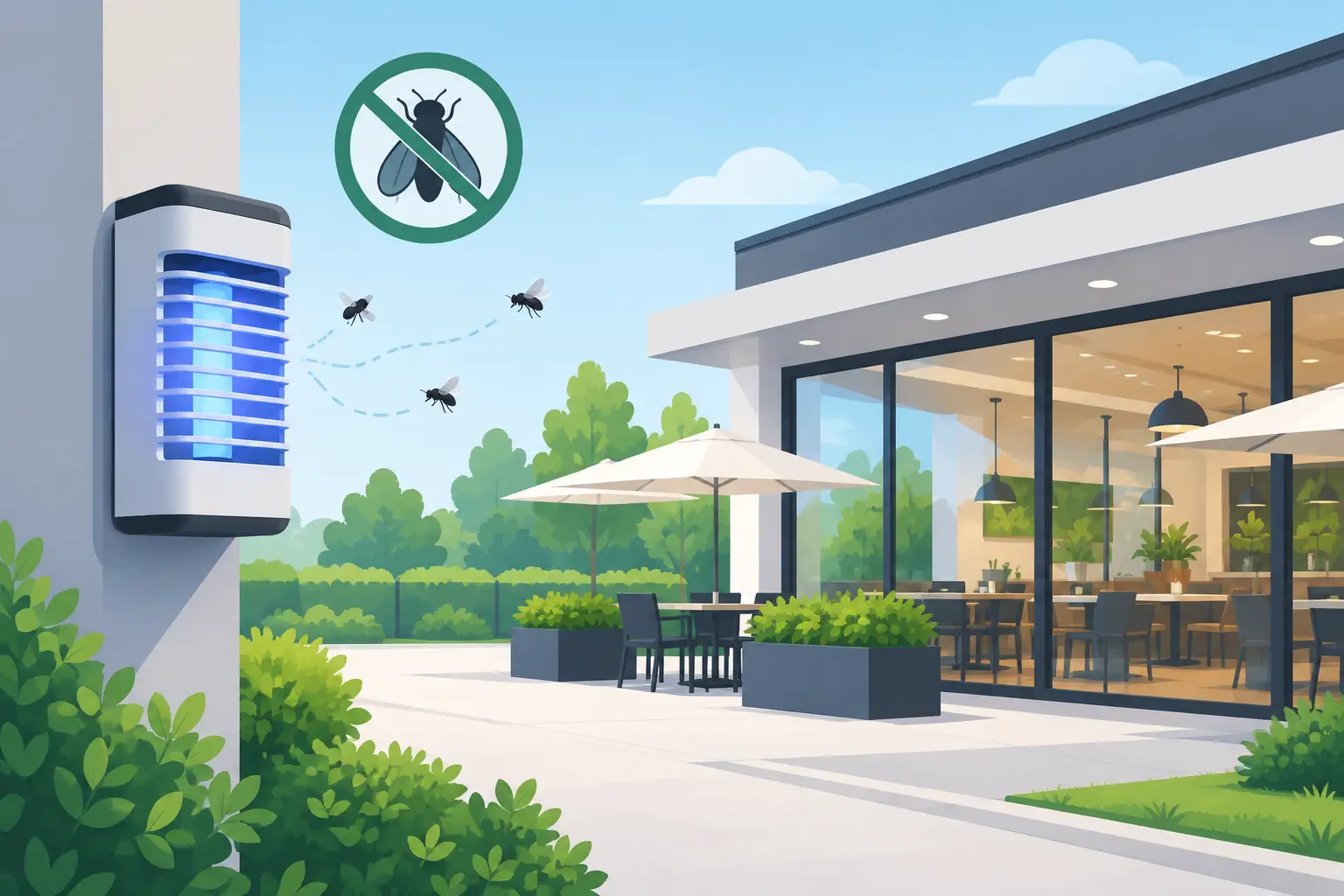
A single fly near a window may be an annoyance. Flies gathering around a garbage bin, floor drain, food-prep area, or loading door are a different kind of problem. Effective fly control protects more than comfort. It helps protect food, customer confidence, employee working conditions, and the clean appearance of a home or business.
Flies breed quickly when they find moisture and decaying organic material. That means the visible flies are often only part of the issue. A lasting solution starts by finding where flies are feeding and breeding, then removing those conditions while using the right treatment for the property.
Why Flies Become a Property Hygiene Problem
House flies, fruit flies, drain flies, and blow flies are drawn to different sources, but they share one advantage: they can reproduce in places people overlook. A small amount of food waste under equipment, residue in a recycling container, buildup inside a drain, or liquid at the bottom of a dumpster can support a growing fly population.
For homeowners, flies can make kitchens, pet areas, and garbage storage unpleasant. In rental properties, recurring flies may point to a sanitation issue that needs prompt attention before it affects tenants or leads to complaints.
For restaurants, cafes, offices, factories, and retail spaces, the stakes are higher. Flies in customer-facing areas can damage a business's reputation in minutes. In food-service and production settings, they can also create sanitation concerns that require immediate action. Catching flies with a swatter or putting up a few traps may reduce what people see, but it will not solve the source of the activity.
Fly Control Starts With Identifying the Source
Different flies require different solutions. Identifying the type of fly and where it is active helps avoid wasted effort.
Fruit flies are small and commonly appear near ripening produce, liquor bottles, recycling, bar drains, mop sinks, and food residue. They can multiply rapidly in commercial kitchens and break rooms where small spills are not cleaned completely.
Drain flies tend to rest near sinks, floor drains, utility rooms, and washrooms. They usually indicate organic buildup inside a drain or trap. Pouring a chemical product down the drain may offer short-term relief, but it often fails to remove the film where larvae develop.
House flies and blow flies are larger and may enter through open doors, damaged screens, gaps around service entrances, or poorly managed waste areas. If large flies appear suddenly indoors, the source may be spoiled food, animal waste, garbage, or in some cases a dead rodent in a wall, ceiling, or mechanical area.
A trained inspection looks beyond the room where flies are noticed. It checks waste handling, drains, exterior doors, roof and wall openings, cleaning routines, storage areas, and equipment that may hold moisture or debris. This approach provides a clear plan instead of relying on guesswork.
Remove Food, Moisture, and Breeding Areas
Sanitation is the foundation of long-term fly control. Flies are persistent, so the goal is not a one-time deep clean. The goal is to make the property less attractive every day.
In homes, keep food covered, rinse recyclable containers, take garbage out regularly, and clean the areas beneath pet bowls, appliances, and garbage cans. Make sure outdoor bins close securely and are not leaking. If compost is used, keep it managed and positioned away from doors and windows when possible.
Commercial properties need routines that match the pace of operations. A restaurant may need frequent wiping of beverage stations, cleaning beneath cooking equipment, drain maintenance, and scheduled dumpster sanitation. An office may need better break-room cleaning and more frequent removal of food waste. A warehouse or industrial facility may need attention around loading docks, employee lunch areas, floor drains, and exterior waste compactors.
Pay close attention to water. Leaking pipes, wet mops, standing water, and slow drains create the damp conditions many flies need. Cleaning a drain's visible opening is not enough if residue remains farther inside. Proper mechanical cleaning and maintenance are often necessary to remove the organic film that supports drain fly development.
Exclusion Helps Keep Outdoor Flies Outside
Many fly problems begin outside and move indoors through the easiest available entry point. Doors that are held open during deliveries, torn window screens, damaged door sweeps, and unsealed utility openings can all invite flies in.
Door management matters, particularly for food-service businesses and facilities with active loading areas. Self-closing doors, properly maintained air curtains where appropriate, intact screens, and weather stripping can reduce entry without disrupting normal operations. The best option depends on the building layout, traffic volume, and the type of work happening near the entrance.
Waste areas also deserve attention. Garbage bins and dumpsters should have lids that close, be emptied on a reliable schedule, and receive thorough washing when residue builds up. A clean dumpster enclosure will not eliminate every fly outside, but it can greatly reduce the breeding pressure near the building.
When Traps and Treatments Make Sense
Traps can be useful as part of a larger fly management plan. Light traps may work well in appropriate indoor commercial locations, while baited traps can help monitor or reduce activity in certain outdoor areas. Placement is critical. A trap in the wrong location can draw flies toward an entrance or a customer area rather than away from it.
Targeted treatment may be needed when fly activity is heavy or when sanitation alone cannot provide quick enough relief. Professional products and application methods should be selected for the specific fly, the source, and the environment. A treatment approach for a residential kitchen is not the same as one for a restaurant, warehouse, or food-handling facility.
Treatment has trade-offs. Broad spraying may kill active adult flies, but it does not remove larvae developing in drains, waste, or hidden organic material. It can also be unsuitable around food, pets, employees, or sensitive operations if used carelessly. The most effective service combines targeted treatment with source removal, exclusion, and practical recommendations for the people using the space every day.
A Better Fly Control Plan for Businesses
Recurring fly activity is easier to manage when responsibility is clear. Staff should know who handles spills, food waste, drain care, garbage removal, and reporting signs of pests. Facility managers should also watch for repeat trouble spots, such as one floor drain, one receiving door, or one dumpster that consistently attracts activity.
Scheduled service is especially valuable for properties with constant food waste, public traffic, or large waste volumes. Regular inspections can identify conditions before a small issue becomes visible to customers or employees. Documentation of service, sanitation findings, and treatment recommendations can also help managers stay organized and demonstrate that they are taking hygiene seriously.
North Peace Pest Control and Maintenance Corporation helps property owners connect fly treatment with the cleaning, sanitation, and maintenance steps that prevent repeat problems. That matters because a clean-looking space is not always free of the hidden moisture and residue flies need.
Signs It Is Time for Professional Help
Professional service is a practical choice when flies return soon after cleaning, when they are concentrated around drains or food areas, or when the source cannot be located. It is also appropriate if large flies appear suddenly, especially where there may be a dead animal, waste buildup, or a hidden structural issue.
For businesses, do not wait for a customer complaint or health inspection concern. Early action is typically simpler, less disruptive, and more cost-effective than responding to a widespread infestation. A professional can inspect the property, explain what is attracting the flies, and recommend a treatment plan that fits the environment.
A fly-free property is usually the result of many small things working properly: clean drains, managed waste, dry surfaces, protected entrances, and fast attention when activity appears. Put those pieces in place, and your home or workplace stays cleaner, more comfortable, and ready for the people who depend on it.